Blog
-
Pharmacies Sunday and Public Holidays Roster
[code_snippet id=5 php]
-
Latest developments on the UK’s withdrawal from the EU


On Thursday November 22, the EU and the UK agreed on a draft 26-page political declaration that calls for an “ambitious, wide-ranging and balanced economic partnership” between the UK and the EU after Brexit.
On trade, the political declaration sets out a commitment to negotiate “a free trade area, combining deep regulatory and customs cooperation, underpinned by provisions ensuring a level playing field for open and fair competition.”
On Northern Ireland, the document says “The Parties recall their determination to replace the backstop solution on Northern Ireland by a subsequent agreement that establishes alternative arrangements for ensuring the absence of a hard border on the island of Ireland on a permanent footing.” Tying in with the future customs relationship, the political declaration leaves the door open to the possibility of using facilitative arrangements and technologies to develop alternative arrangements for ensuring the absence of a hard border.
On financial services, both parties pledge to begin proceedings to assess “equivalence” of each other’s rules immediately after Brexit day.
On movement of people, there is a commitment to “establish mobility arrangements … based on non-discrimination between the Union’s Member States and full reciprocity.” These would allow visa-free travel or short-term visits and both sides “agree to consider conditions for entry and stay for purposes such as research, study, training and youth exchanges.”
On Sunday November 25, the European Council approved the political declaration and restated the Union’s determination to have as close as possible a partnership with the United Kingdom in the future. Reflecting on the essence of the special meeting of the European Council, President Tusk noted, “Ahead of us is the difficult process of ratification as well as further negotiations. But regardless of how it will all end, one thing is certain: we will remain friends until the end of days, and one day longer.”
In his comments, Prime Minister Joseph Muscat said that Malta will maintain its excellent relations with the UK once it leaves the EU, and citizens will not lose any rights they have had before the Brexit deal was passed. However, Malta is losing an ally at EU level, and “like-minded member states need to work together to safeguard their status on issues such as financial and economic affairs”.
Next steps in the UK:
The House of Commons must vote to approve the Withdrawal Agreement and political declaration before it can be ratified and come into effect, with a ‘take note’ motion in the House of Lords. Prime Minister Theresa May expects the vote to be taken before the end of 2018 after a crucial national debate.
For any questions or comments do not hesitate to get in touch with MEUSAC.
-
World Pharmacy Day 2018

“Pharmacists: Your medicines experts…
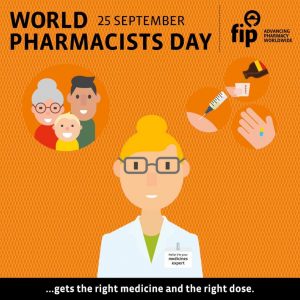
“Pharmacists: Your medicines experts”.is the theme of this year’s World Pharmacists Day by the International Pharmaceutical Federation (Federation Internationale Pharmaceutique – FIP) which is celebrated globally on the 25th September.
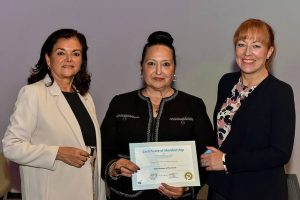
Malta Chamber of Pharmacists this year successfully reactivated its membership with FIP after 18 years.Mary Ann Sant Fournier, President represented the Chamber at the FIP Council meeting and Congress held in Glasgow 2-6 September, where the Chamber was inducted as a full member. photo?
The FIP is the global federation representing 4 million pharmacists and pharmaceutical scientists worldwide.
“This year, we focus on the extensive expertise that pharmacists have and put to use every day to ensure better patient health. This expertise is applied through science and research, through educating the next generation, and through transforming patient needs into services,” said FIP President Dr Carmen Peña.Pharmacists in Malta whether based in the community or in hospitals, are highly trained health care professionals, experts in medicines in the service of the public. Their practice has through the years developed into a more clinical role which supports patients especially these suffering from chronic illness such as diabetes, hypertension etc, by adhering to their treatment regimens, monitoring their condition to ensure optimal medicines use and positive outcomes and improving quality of life; referring patients with acute conditions for further care to other relevant health care professionals and directing well clients to sustain a health lifestyle.
Other roles that have recently developed for pharmacists as a result of their expertise in medicines are those of responsible pharmacists in wholesale distribution of medicines and the various roles played by pharmacists in the marketing of medicines.
At a recent seminar on Rare Disease targeted for community healthcare professionals not least pharmacists, organized by the National Alliance for Rare Diseases Support – Malta , in collaboration with the Malta BioBank, BBMRI.mt at the University of Malta, Ms. Sant Fournier reiterated the community Pharmacists expertise in the support of patients in different niches of care requiring besides the dispensing of medicines the associated ‘non-dispensing’ services which each individual patient requires including acting as a resource to direct patients to seek the support of organisations such as the National Alliance.
On 25 September the Chamber joins the 144 international pharmacy associations in celebrating pharmacists wherever they practice in the service of society.